ENCOUNTER · 09:42 → 10:07
- Operative report Ready
- Referral letter Ready
- Post-op instructions Ready
About Kubo
Kubo began with a surgeon spending his evenings on operative reports and referral letters—and an engineer who helped him reclaim that time. Together, they built AI for the work they knew firsthand, with one focus: surgical dentistry.
Why Kubo exists
Brian is a practicing surgeon. For years, his day did not end when the last patient left. There were still operative reports to finish, referral letters owed to general dentists, patients to call, and consents to chase.
Ryan is an engineer. He saw how much of a surgeon’s week went to typing and thought software could handle it: something that could listen to a consult and produce the documents the visit requires.
We built it for surgical dentistry practices. Kubo knows what belongs in an operative report, which letter the referring dentist is waiting on, and where each document goes in the practice management system the office already uses.
ENCOUNTER · 09:42 → 10:07
What we believe
These guide how we make product decisions.
Most AI scribes are built for every kind of clinician, so the same tool serves a therapist, a veterinarian, and an oral surgeon. Spread that thin, the surgical details never quite land. We build only for surgical dentistry.
Kubo drafts and the clinician approves. Nothing goes into a patient’s chart without review, and that review step cannot be turned off.
Practices keep their current practice management system. Kubo works alongside it and writes its output back into it, so there is no chart migration and no new system for the team to learn.
We do not use PHI as training data. The safeguards described on our security page were built into the product from the start.
Who we are
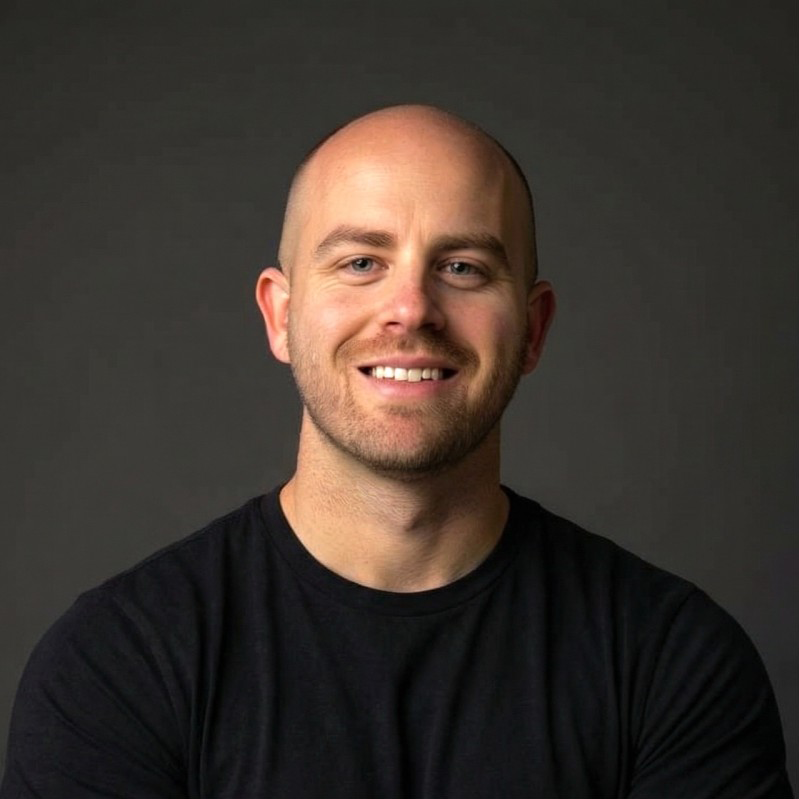
Ryan built the first version of Kubo to solve Dr. Young’s documentation problem and leads the company today. He runs product and engineering, and loves talking to surgeons to help solve their problems. The roadmap is not drawn up in a boardroom. It comes from watching real surgical days and listening to the surgeons who work them.
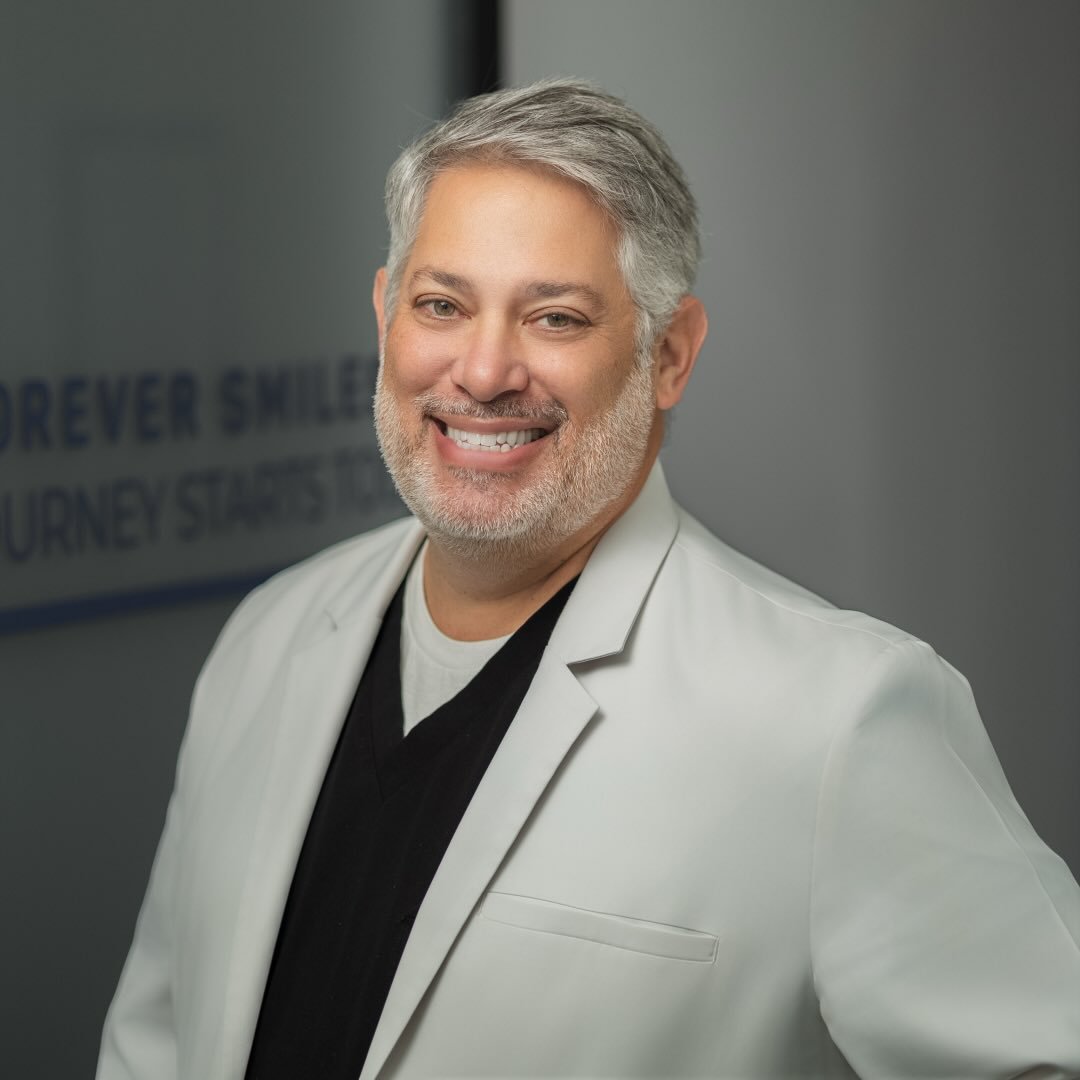
Dr. Young is a practicing surgeon and treats patients full time. Kubo began as the tool that fixed his own operative reports and referral letters. At Kubo he sets the clinical standard: what belongs in a surgical note, how a referral letter should read, and whether a feature holds up in a real surgical practice before it ships.
The company today
Kubo builds AI documentation and workflow software for oral surgery, periodontics, and implant dentistry. We work directly with the practices using the product, and what we learn in their operatories shapes what we ship next.